
A Deep Dive into 1:64 Die-Cast Quality and Detail
Introduction: The Evolving World of 1:64 Die-Cast Collectibles
The allure of miniature replicas has captivated enthusiasts for generations, offering a tangible connection to iconic vehicles in a compact, display-friendly format. Within this realm, the 1:64 scale holds a unique and enduring appeal. It strikes a compelling balance, allowing for intricate detail while maintaining an accessible size, making it a perennial favorite for both casual admirers and serious collectors. These small-scale cars facilitate diverse collections, lend themselves well to detailed dioramas, and foster a profound appreciation for automotive design condensed into a palm-sized form.
For over half a century, Hot Wheels has stood as the undisputed titan of the 1:64 die-cast world. The brand is synonymous with vibrant designs, thrilling playability, and widespread accessibility, having ingrained itself into global pop culture through extensions beyond toys to include live events and digital integrations. However, the die-cast market, much like any specialized hobby, has matured significantly. This evolution has paved the way for brands such as MINI GT. Emerging from the esteemed pedigree of TSM Model, a company known for its high-end, larger-scale replicas, MINI GT has swiftly established itself as a benchmark for hyper-realistic, collector-grade models. This new entrant has effectively challenged traditional perceptions of what is achievable in this diminutive scale, pushing the boundaries of miniature fidelity.
This report embarks on a meticulous comparative analysis, dissecting the fundamental differences between these two prominent manufacturers. The exploration will cover their distinct brand philosophies, delve into their manufacturing intricacies, examine their material choices, and scrutinize the resulting levels of detail. As an enthusiast with a discerning eye for authenticity and craftsmanship, the personal collection, which notably includes both Hot Wheels and MINI GT versions of the McLaren Senna, serves as a compelling case study. This direct comparison will vividly illustrate why MINI GT consistently stands out for its superior quality and meticulous detail, aligning with the preferences of serious collectors.
Hot Wheels: The Accessible Icon
Brand Heritage & Market Positioning: Playability First
Hot Wheels’ journey commenced in 1968, born from the innovative vision of a team comprising an innovator, a rocket scientist, and a car designer. Their ambitious goal was to “revolutionize toy vehicles by looking cooler and performing better than the competition”. More than five decades later, Hot Wheels has achieved unparalleled success, solidifying its position as the “number one selling toy in the world”. The brand’s core philosophy, driven by Mattel, is to “ignite and nurture the challenger spirit that lives within every kid”, emphasizing “racing and stunting thrills” and promoting “open-ended play” both on and off their iconic orange tracks. This foundational commitment to dynamic play and broad appeal profoundly influences many of its design and manufacturing choices.
The primary target audience for Hot Wheels is “kids 5 years old and up” and even “kids 3 years old and up”. This positions the brand squarely as a children’s toy, a fact evident in its packaging, which frequently specifies a minimum age of 3 years. Despite this primary focus, Hot Wheels has cultivated a substantial and passionate adult collector base. To cater to these dedicated enthusiasts, the brand offers specialized lines, such as the Red Line Club (RLC).
Despite its significant adult following, a “prevailing perception that Hot Wheels is primarily a toy for children” persists. This perception, while not entirely inaccurate given its primary market, often leads to a critical assessment by high-end collectors. These collectors frequently find that “Hot Wheels products seem to lag behind in this pursuit of high-end finishing” and “lack a certain sophistication or appeal tailored specifically for adults”. This inherent dual identity, catering to both play-focused children and detail-oriented adults, directly influences its design choices, often prioritizing durability and play features over absolute, minute realism.
The fundamental tension in serving these two distinct audiences—one valuing playability, durability, and affordability, and the other seeking detailed realism and collectible value—forces Hot Wheels to make inherent design compromises. To maintain its mass-market dominance and achieve remarkably low price points (e.g., single cars for $2, 50-packs for $26), manufacturing processes must be exceptionally efficient and cost-effective. This efficiency directly results in a simplification of materials, such as the frequent use of plastic for chassis and hard plastic for wheels, and a reduction in detailing, exemplified by tampo-printed lights rather than separate lenses or less intricate undercarriages. This simplification, while essential for its primary market, limits the level of “high-end finishing” and meticulous detail desired by discerning adult collectors. This leads to the varied quality perceptions observed in customer reviews, where ratings for “quality” range from 3.7 out of 5 to 5 out of 5, alongside some 1-star reviews citing quick breakage. This strategic choice positions Hot Wheels as an accessible entry point into die-cast collecting. Its collectibility for adults often stems from rarity, variations, and nostalgic appeal within its mass-produced lines, rather than intrinsic scale accuracy or hyper-detail. This dynamic also contributes to a secondary market often driven by “scalpers” who capitalize on the demand for rare variants, which can be a source of frustration for genuine collectors seeking specific models at retail prices. The “toy” perception is a direct consequence of its primary market and efficient manufacturing, even for its more collector-oriented releases.
Manufacturing & Materials: Efficiency for Scale
The foundational material for Hot Wheels cars is Zamak 3, a zinc-based alloy comprising zinc, aluminum, magnesium, and copper. This alloy is chosen for its suitability in die-casting due to its relatively low melting point and good flow characteristics. It is noted that trace amounts of lead, tin, and cadmium may also be present, originating from the raw material extraction process. Other crucial components, such as the interior, wheels, and often the chassis, are typically made from various plastics.
The main body of a Hot Wheels car is produced through hot chamber die casting. In this method, molten Zamak 3 alloy is kept hot within the furnace section of the die-casting machine. A plunger then forces this molten metal through a pipe and into the mold cavity. Upon cooling, the alloy solidifies, forming the car’s frame. This process is highly efficient and conducive to the rapid, high-volume production necessary for Hot Wheels’ global distribution. After the casting process, the die-cast body is trimmed to remove any excess material and achieve its precise shape.
The assembly process involves the manual transfer of the cast body “by hand onto a tiny toy axel and wheels”. Hot Wheels axles are typically simple metal rods, often integrated into the plastic base, and customizers frequently use aftermarket adjustable axles for wheel swaps, highlighting the basic nature of the stock components. Modern Hot Wheels cars are finished with enamel paint. This type of paint is favored for its glossy finish and durable, hard-drying properties, which are beneficial for toys that endure frequent handling and play. The production of enamel paint itself involves complex chemical processes, including the polymerization of propylene gas.
The strategic choice of Zamak 3 and hot chamber die casting is fundamentally driven by its cost-effectiveness and suitability for rapid, large-scale production. This method allows for quick cooling and demolding, which is absolutely essential for manufacturing millions of units annually to meet global demand. The reliance on “human energy by hand” for axle assembly points to a deliberate balance between automation and manual labor where speed and volume are paramount, rather than intricate, time-consuming precision. The use of enamel paint, while providing a glossy finish, is likely chosen for its quick drying properties and durability for play, rather than multi-layer depth or hyper-realistic color matching. This entire production process is meticulously optimized for volume and affordability. This optimization directly influences the level of detail and material sophistication achievable within their accessible price point. This streamlined production model is the bedrock of Hot Wheels’ ability to dominate the global toy market, making their cars widely accessible to children and casual collectors. However, this efficiency implicitly limits the depth of detail and material sophistication that can be incorporated without significantly increasing manufacturing costs, thus reinforcing the “toy” depth among high-end collectors who seek greater fidelity.
Detail & Scale Accuracy: Prioritizing Playability
Hot Wheels models are designed with “authentic details and eye-catching decos” that aim to make them recognizable and appealing. However, when it comes to finer, realistic details, compromises are frequently made. Headlights and taillights, for instance, are often rendered using tampo-printed decals or are simply molded-in features on the plastic body without additional paint. Panel lines, which define the separate body panels on a real car, are typically softer, less defined, or implied by tampo printing rather than being deeply etched. While customizers might employ techniques to add panel lines, this is not a standard factory application.
The interiors of Hot Wheels cars are generally simplified, often consisting of a single molded plastic piece with minimal, if any, painted details. Similarly, undercarriage detail can be quite basic, with some models featuring “flat bottoms”. This simplification is often a functional design choice, prioritizing aerodynamic performance for track play over realistic mechanical representation. While some castings may exhibit more detail than others due to “different people making cast molds every year”, consistent, high-fidelity undercarriage or interior reproduction is not a brand-wide standard across their vast mainline offerings.
A notable characteristic of Hot Wheels is its inconsistent adherence to a precise 1:64 scale. Many models are noted as “not true 1:64,” with some being “roughly 1:60”. This variability means that while a specific model might, by chance, be dimensionally accurate to its real-life counterpart (e.g., a particular Huracan casting was found to be accurate), this is not a universal characteristic across the brand’s diverse catalog. This inconsistency can make them appear “noticeably smaller” or larger when compared side-by-side with truly scaled models from other brands.
The simplification of details such as headlights (using decals instead of separate molded plastic lenses), interiors, and undercarriages is a direct consequence of Hot Wheels’ overarching focus on playability, durability, and mass production. For a toy primarily designed to be raced, jumped, and crashed, hyper-realistic, fragile, or multi-part details are impractical and would significantly increase production costs. The presence of “flat bottoms” on some Hot Wheels models is a clear functional design choice aimed at optimizing performance on Hot Wheels tracks, rather than an omission of detail. Similarly, the inconsistent scaling suggests that while “1:64” is a general category, precise adherence to scale is secondary to fitting the car within standard packaging, ensuring track compatibility, or achieving a desired stylized aesthetic for play. This approach prioritizes functional aesthetics that appeal to children and general consumers over the meticulous, museum-quality realism demanded by high-end collectors. This distinct approach to detailing creates a unique visual language for Hot Wheels, where cars are recognizable and appealing but often stylized interpretations rather than exact, scaled replicas. This contributes to the “toy” deepen among discerning collectors and fundamentally differentiates them from brands that prioritize absolute fidelity. For the vast community of customizers, this also creates a vibrant aftermarket for parts and techniques to enhance realism, highlighting precisely where Hot Wheels, by design, falls short for detail-oriented enthusiasts.
Collectibility & Value Perception: Rarity and Nostalgia
Hot Wheels’ collectibility is a complex phenomenon, heavily driven by rarity, variations, and deep nostalgic appeal. Early models, particularly the original “sweet 16” from 1968, with unique features like the iconic “redline” wheels or the shiny “Spectraflame” paint finish, are highly sought after. The principle of scarcity dictates value: “When something changes early on in the production process—such as the name or a key aspect of the physical design—the less-produced variant immediately takes on value”. The condition of the model, especially “mint-condition toys, with little to no sign of use, preferably in their original paperboard-and-plastic blister pack,” significantly impacts its market value.
Despite its widespread popularity, a “considerable portion of model car collectors have shifted their allegiance to other brands”. One key reason is that while Hot Wheels “dominates the market, flooding it with numerous products in a single category,” serious “hobbyists seek out models that are rare and limited, adding exclusivity and prestige to their collection,” which mainline Hot Wheels often does not provide. Furthermore, the prevalence of “Crazy Scalpers” who quickly buy up new editions and resell them at inflated prices on platforms like eBay and Amazon is a significant frustration for genuine collectors seeking models at retail. The “toy” deepens is a direct consequence of its primary market and efficient manufacturing, even for its more collector-oriented releases.
Hot Wheels’ business model, which thrives on mass production and wide distribution, paradoxically creates the ideal conditions for extreme rarity and high value for specific, limited variants or production errors. The sheer volume of units produced means that even minor production changes, color variations, or anomalies can result in very few examples of a particular variant, thus driving up its value significantly in the secondary market. This “scarcity-within-abundance” model, combined with the brand’s pervasive cultural presence and nostalgic appeal, fuels the secondary market and the activities of scalpers, who expertly capitalize on the demand for these rare finds. The prevailing “toy” perception further masks the potential for high collector value in certain rare pieces, making them “hidden gems” for those in the know. This implies that for Hot Wheels, the “value” for serious collectors is often external to the model’s intrinsic detail or craftsmanship. Instead, it resides in its historical significance, unique production quirks, or sheer scarcity. This contrasts sharply with brands where value is more directly tied to the inherent quality, fidelity, and artistry of the replica itself, highlighting a fundamental difference in their respective collector ecosystems.
MINI GT: The Pursuit of Precision
Brand Genesis & Collector Focus: Redefining 1:64 Standards
The narrative of MINI GT begins with its esteemed parent company, TSM Model (TrueScale Miniatures), established in 2006. TSM Model had already carved out a significant niche, specializing in “high-end 1:18 and 1:43 scale replicas,” catering to a discerning clientele who prioritized “attention to detail and premium craftsmanship”. Recognizing a substantial “gap in the market for affordable yet highly detailed 1:64 scale models,” TSM Model strategically launched MINI GT in 2017.
MINI GT’s mission was unequivocally clear from its inception: “to create diecast models that combined affordability, durability, and impeccable accuracy”. The brand’s philosophy, passionately driven by its founder, Glen Chou, centers on “delivering products that resonate with both casual collectors and die-hard automotive fans”. Their explicit aim was to “bridge the gap between affordability and high-quality craftsmanship,” making premium die-cast models accessible to a broader, yet still discerning, audience. Since its introduction, MINI GT has “rapidly emerged as a powerhouse in the world of diecast collecting”, effectively “captivating enthusiasts with its commitment to quality, precision, and authentic automotive representations”. The brand is widely acknowledged for “setting new standards for 1/64 model cars”, redefining what collectors can expect in this scale.
MINI GT’s genesis from a high-end, larger-scale model manufacturer (TSM Model) is a critical factor in its rapid success. This background provided an inherent foundation of expertise in precision, intricate detailing, and the complexities of licensing agreements with automotive manufacturers. Their explicit strategic goal to “bridge the gap between affordability and high-quality craftsmanship” indicates a shrewd market analysis, identifying a segment underserved by both the mass-market toy brands (like Hot Wheels) and the ultra-expensive, limited-run boutique 1:64 models. This focused approach on delivering premium quality at a competitive price point directly led to them “redefining the standards for diecast collectors worldwide” in the 1:64 scale. MINI GT’s success is a strong indicator of the maturation of the 1:64 die-cast market. It demonstrates that a significant segment of collectors is increasingly willing to pay a premium for higher fidelity and authentic replicas, moving beyond the traditional “toy” paradigm. This trend, spearheaded by brands like MINI GT, places pressure on other manufacturers and creates opportunities for new entrants to also elevate their quality and attention to detail to remain competitive in the increasingly sophisticated collector market.
Manufacturing & Materials: Craftsmanship in Miniature
MINI GT models are distinguished by their use of superior materials. They are primarily constructed with “high-quality alloy material”, specifically a “zinc aluminum metal body”, which provides a substantial, premium feel and exceptional durability. Crucially, they feature a “metal chassis”, a significant upgrade from the plastic chassis often found in mass-market models. Furthermore, MINI GT models are equipped with “soft rubber tires with detailed wheel designs”, offering a realistic aesthetic and tactile experience. Even subtle details like “soft rubber side mirrors” are incorporated for both realism and protection against breakage.
The manufacturing journey for a MINI GT model begins with an unwavering commitment to accuracy. This involves meticulous “data acquisition” and “3D data scanning” of the real vehicle to ensure the “accuracy of the appearance of the model”. Designers leverage advanced CAD (Computer-Aided Design) software for “precise measurements and adjustments,” capturing even the smallest details like seat texture or tire patterns. Once the digital model is finalized, a physical prototype is created, often utilizing 3D printing technology, and undergoes multiple rounds of refinement to ensure absolute perfection.
Following prototype approval, engineers translate the precise digital data into the mold manufacturing system. This stage demands exceptional craftsmanship, requiring “carved finely ground” molds, particularly for “sophisticated, complex mounting structure[s]” which necessitate extensive time for polishing and calibration. Various mold types (zinc alloy die, ABS, PVC, SDU) are meticulously allocated for different assembled parts, reflecting the multi-material construction. The production cycle for these high-precision molds can be substantial, often taking “about 100 days,” depending on the complexity and quality requirements.
Once the molds are complete, the preliminary forming stage begins. Metal parts, primarily the body and chassis, are produced via die-casting, while plastic components such as interiors, wheels, and light lenses are created through injection molding. A hallmark of MINI GT’s quality is its assembly process. Model cars are composed of numerous individual parts that are predominantly “assembled by hand”. This manual assembly is critical because “individual parts can not use modern machines to assemble” to the required level of detail. Painting involves a sophisticated “three-layer electrostatic spray painting” technique, ensuring an exceptionally “smooth and bright” finish that closely replicates the real vehicle’s paintwork. Fine details, logos, and graphics are applied using precise pad printing machines. The final assembly combines all spare parts with meticulous care, often utilizing glue and specialized tools.
The deliberate choice of “full diecast metal” for both the body and chassis, coupled with the inclusion of soft rubber components (tires, mirrors), directly contributes to the “premium feel” and “durability” that distinctively sets MINI GT apart. This superior material selection, combined with the rigorous 3D scanning and CAD design, ensures that the miniature is an exceptionally accurate replica of the real vehicle. The extended mold production cycle (100 days) and the significant reliance on hand assembly for intricate parts clearly indicate a willingness to invest substantial time, precision, and labor to achieve a level of detail and finish that automated mass production cannot. The “three-layer electrostatic spray painting” further suggests a superior paint application process compared to simpler methods, resulting in a more vibrant, consistent, and durable finish. This detailed, labor-intensive manufacturing process inherently justifies MINI GT’s higher price point compared to mass-market alternatives like Hot Wheels. It unequivocally signals to collectors that they are paying for meticulous craftsmanship, superior material quality, and an authentic representation, rather than just a branded toy. This approach also implies a more controlled production volume and a higher standard of quality control, contributing to the perceived exclusivity and consistent excellence of each model.
Detail & Scale Accuracy: Uncompromising Realism
MINI GT models are celebrated for their “intricate detailing” and “realistic design”. This commitment to realism is evident in features such as “finely crafted wheels, well-defined grilles, and accurate paint jobs”. The inclusion of “soft rubber side mirrors” is a subtle yet significant detail, often simplified or omitted by mass-market brands. Headlights and taillights are typically rendered with separate, multi-part clear plastic lenses, often utilizing “different colors of injectable plastic” to achieve realistic depth and coloration for indicators and brake lights. Panel lines are consistently crisp, deeply defined, and accurately delineate the various body panels, contributing to a highly realistic appearance.
MINI GT truly excels in its interior detail, moving far beyond mere impressions. Collectors can appreciate an “incredible” level of detail where the “steering wheel isn’t just a blob of plastic” and “you actually can see the dash”. This often includes accurately molded seats (often with texture), dashboards with legible instrument clusters, and even visible gear shifters. The undercarriage is “fully reproduced” with a “strong level of detail,” showcasing elements like “the drivetrain… the axles… and then the exhaust”. This meticulous attention to the underside provides a stark contrast to the often flat or simplified undercarriages found on mass-market models.
A cornerstone of MINI GT’s appeal to serious collectors is its consistent adherence to “true 1:64 scale”. This means that the models are precise 1/64th reproductions of their real-life counterparts, ensuring accurate dimensions and proportions. While a rare “accuracy issue” has been noted for specific models, the brand’s general commitment to “true-to-scale detail” is a key differentiator, making them highly compatible for diorama building and seamless display alongside other accurately scaled models.
The granular level of detail observed in MINI GT models—from the visible dashboard components and intricate steering wheels to the fully replicated drivetrain and exhaust systems on the undercarriage—is a direct result of their “uncompromising quality” philosophy and their advanced manufacturing processes, particularly the use of precise mold making and extensive hand assembly. The strategic inclusion of separate, multi-material components (e.g., rubber mirrors, different colored plastics for lights) significantly enhances both the visual and tactile realism of the models. This meticulous attention to every aspect, even those less immediately visible, culminates in models that are not merely toys but genuine “miniature artistry”, providing a deeply immersive and satisfying experience for collectors. The consistent adherence to true 1:64 scale further ensures visual harmony when displayed with other high-end models, a critical factor for diorama builders and display connoisseurs. This unwavering commitment to realism positions MINI GT as a premium choice within the 1:64 scale, appealing specifically to a collector segment that prioritizes authenticity, display quality, and engineering fidelity over simple playability. It effectively establishes a new benchmark for what is achievable in the 1:64 scale, potentially influencing and driving other manufacturers to improve their own detailing standards to remain competitive in the increasingly sophisticated collector market.
Collectibility & Market Standing: A Collector’s Brand
MINI GT has rapidly become a favorite among “collectors who valued attention to detail and premium craftsmanship”. Its extensive and diverse catalog, featuring everything from JDM icons to European supercars and American muscle cars, ensures a wide appeal. Crucially, MINI GT secures “officially licensed” agreements for each model, collaborating with major automotive manufacturers like Nissan, Toyota, Lamborghini, and McLaren. This commitment to authenticity solidifies its reputation and significantly appeals to brand-specific enthusiasts and purists.
Despite their “premium quality,” MINI GT models are strategically “priced competitively, making them accessible to a wide range of collectors”. This unique balance of quality and affordability creates a compelling value proposition. Their market value is primarily derived from their intrinsic authenticity, high level of detail, and often limited production runs, which are implied by their detailed manufacturing process and specific limited editions, such as “Limited Edition 5000 Sets”.
MINI GT’s packaging reflects its collector-grade status. While many models come in standard blister packs, special sets, such as the VeilSide Chrome Set, are presented in “sleek silver cardboard box[es] with a metallic foil-stamped VeilSide logo, offering a display-worthy presentation that feels more like a premium gift box”. This attention to presentation further enhances the unboxing and ownership experience for collectors.
MINI GT’s collectibility is fundamentally driven by the intrinsic quality and authenticity of its models, which is a direct outcome of its meticulous manufacturing processes and superior material choices. The consistent attainment of official licensing agreements is not merely a formality; it ensures accurate representations and significantly enhances trust and desirability for collectors, especially brand loyalists. The strategic decision to price these models ” competitively” for such high quality creates a strong value proposition, making premium collecting more accessible to a broader audience. Furthermore, the use of premium packaging for special editions elevates the unboxing and display experience, reinforcing the perception of a high-value collectible rather than a mass-market toy. This comprehensive approach positions MINI GT as a serious and respected contender in the collector market, attracting enthusiasts who might have previously focused on larger scales or extensive custom builds to achieve similar levels of detail. It signifies a clear shift in the 1:64 market towards higher fidelity and presentation, where the inherent quality and artistry of the model itself, not just its rarity or play features, are the primary drivers of desirability and long-term value.
Head-to-Head: The McLaren Senna Case Study
The McLaren Senna, a hypercar renowned for its extreme aerodynamics and meticulous engineering, serves as an ideal subject for a direct comparison between Hot Wheels and MINI GT. Examining both manufacturers’ interpretations of this iconic vehicle reveals the tangible differences in their design philosophies and manufacturing capabilities.
Exterior Fidelity: A Visual Dissection
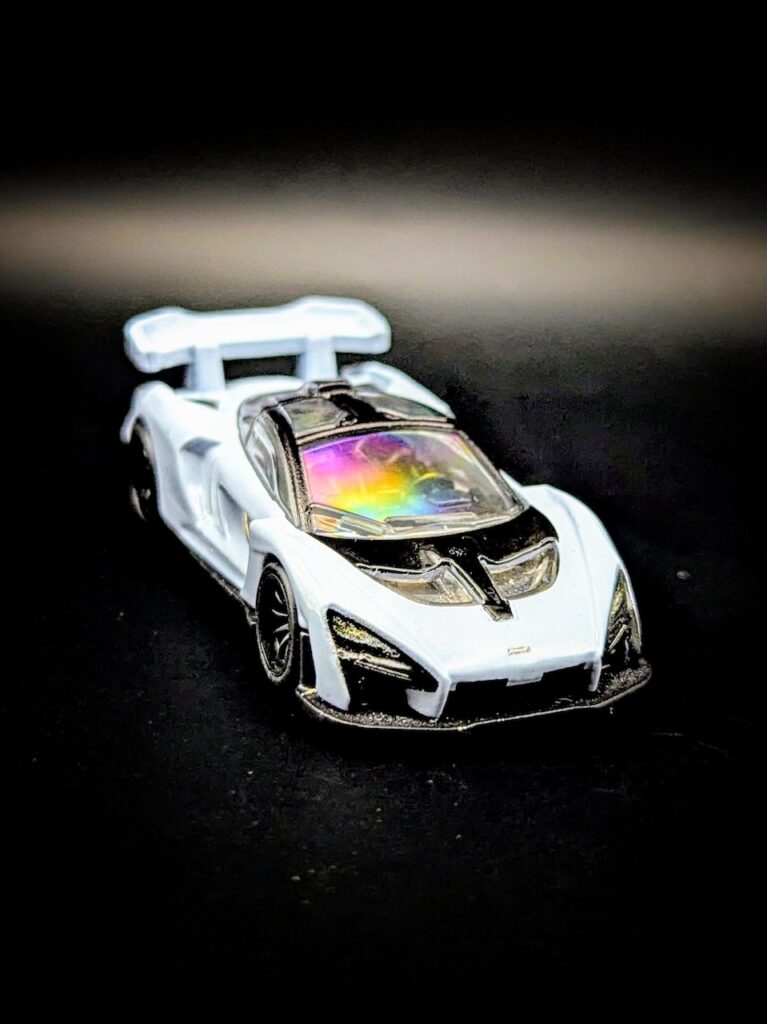
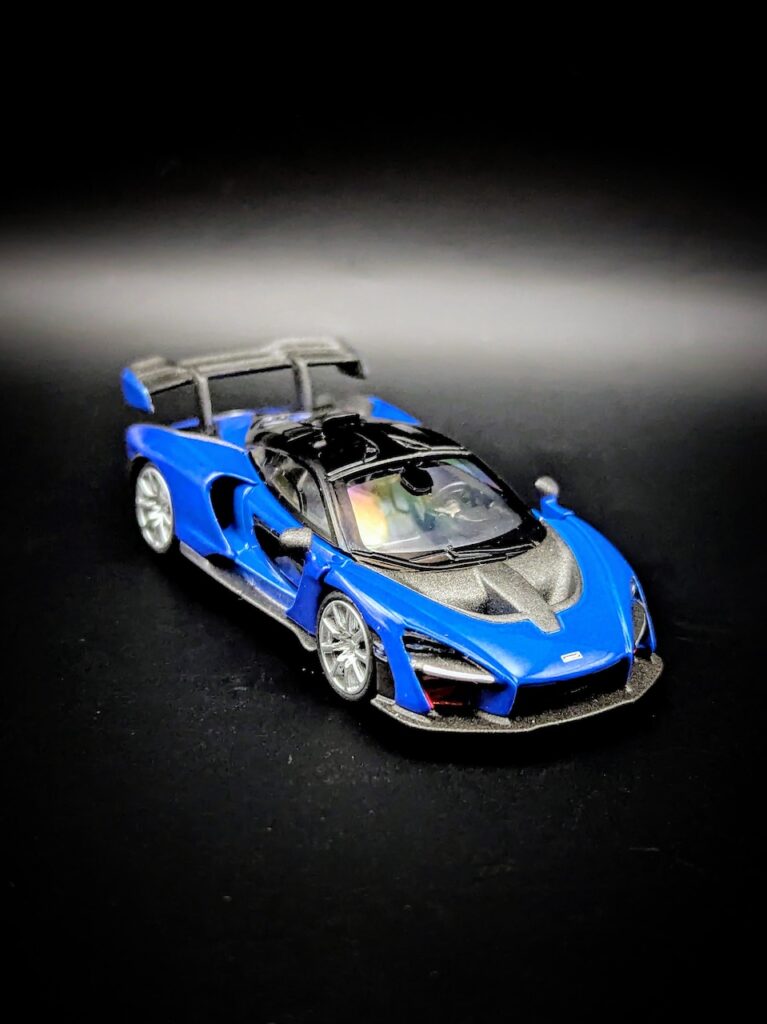
Hot Wheels McLaren Senna (left) vs. MINI GT McLaren Senna (right) – Note differences in paint and panel lines.
Rotating video of each car. Note the details around the headlights, air intakes, and exhaust.
The crispness and fineness of panel lines—the subtle gaps between body panels like doors, hood, trunk, and various vents—are critical for achieving realism. On the MINI GT Senna, these lines are renowned for being sharp, deeply etched, and precisely rendered, accurately defining the car’s intricate bodywork. This level of precision is a hallmark of MINI GT’s detailed molding. Conversely, the Hot Wheels Senna often features softer, less defined lines or relies on tampo printing to merely imply these details. This results in a less realistic, more generalized interpretation of the vehicle’s panel gaps.
Headlight and taillight realism is arguably one of the most significant differentiators between the two brands. The Hot Wheels Senna typically employs tampo-printed decals or simple molded-in plastic features for its lights. This often results in a flat, two-dimensional appearance, lacking depth and intricate internal components. The MINI GT Senna, on the other hand, is expected to feature sophisticated, multi-part clear plastic lenses. These often include intricate internal detailing, such as projector beams or LED arrays, and utilize different colored plastics for indicators and brake lights. This meticulous approach faithfully replicates the complex lighting arrays of the real McLaren Senna.
The realism of the front grilles, side vents, and rear diffusers is another key area of comparison. MINI GT’s detailed molding on the Senna should showcase actual perforations, fine mesh patterns, or multi-layered textures, accurately reflecting the functional aerodynamics of the real car. Hot Wheels, by necessity of its mass-production model, often features solid, molded-in representations that lack true depth or intricate detail.

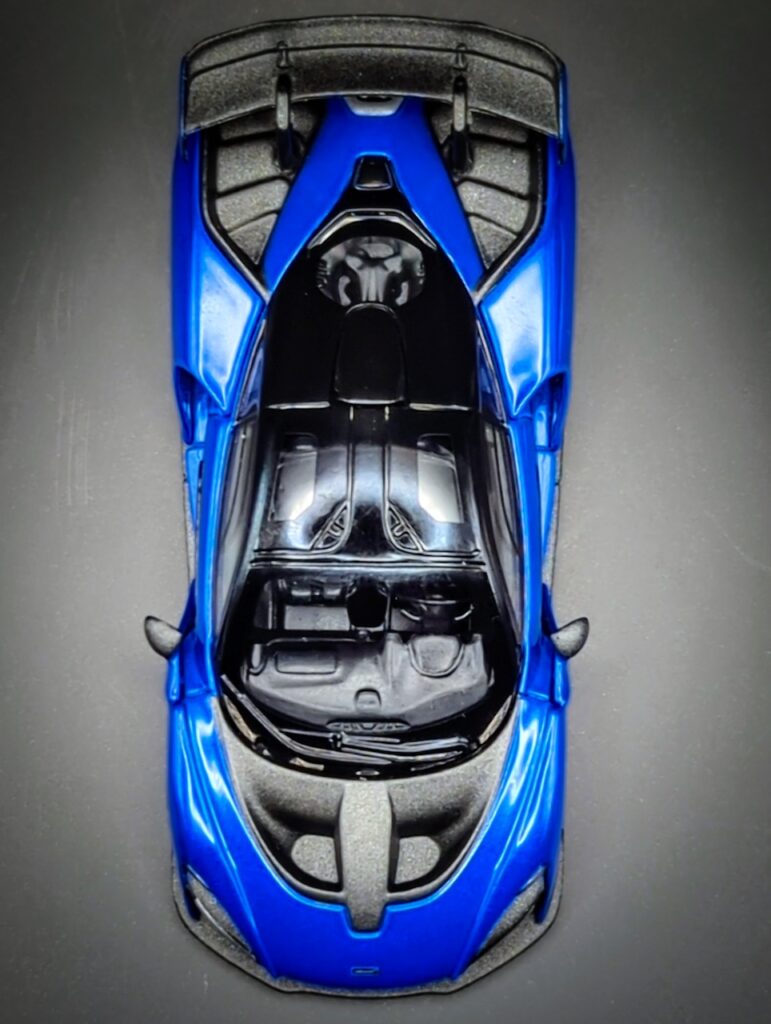
A comprehensive side-by-side assessment of the McLaren Senna models reveals how accurately each captures the aggressive, aerodynamic lines, unique contours, and distinctive carbon fiber elements of the car’s body. MINI GT’s reliance on precise 3D scanning and advanced molds results in a more faithful, three-dimensional reproduction of the car’s complex curves, aerodynamic channels, and overall stance. The stark differences in exterior fidelity—from the depth of the paint to the intricacy of the headlights and the sharpness of the panel lines—are the most immediate and visible manifestations of each brand’s underlying design and manufacturing philosophy. Hot Wheels’ compromises, such as simpler paint application and reliance on decals for lights, are a direct result of its mass-production, play-oriented goals and the need for cost efficiency. MINI GT’s visibly superior rendering of these details, including multi-layer paint, intricate light assemblies, sharp panel lines, and detailed grilles, is a direct consequence of its investment in high-precision molding, advanced painting techniques, and an unwavering commitment to “authentic automotive representations”. For collectors, particularly those who display their models, these exterior details are paramount for visual appeal and photographic realism. MINI GT’s approach creates a more “shelf-worthy” product that withstands close scrutiny and photography, reinforcing its premium market position. Hot Wheels, while often visually appealing from a distance or in a play setting, frequently reveals its “toy” origins upon closer inspection, which can be a point of contention for detail-oriented enthusiasts.
Interior & Undercarriage: Beyond the Surface
The interior of a 1:64 scale model often reveals the true depth of a manufacturer’s commitment to realism. Examining the cockpit of both McLaren Senna models, MINI GT’s interpretation is celebrated for its intricate details. One can “actually see the dash” and observe that the “steering wheel isn’t just a blob of plastic”. This includes finely molded seats, often with texture, dashboards with legible instrument clusters, and even visible gear shifters or central consoles. Hot Wheels interiors, by contrast, are typically much simpler, often a single molded plastic piece with minimal, if any, painted details, prioritizing robustness for play.

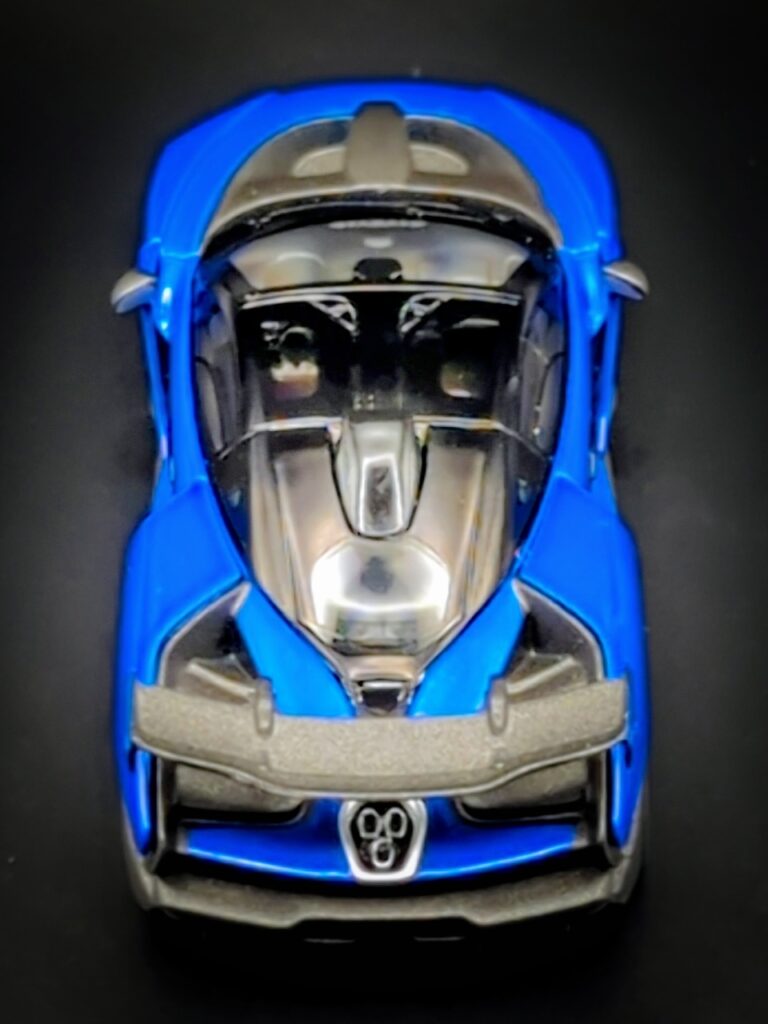
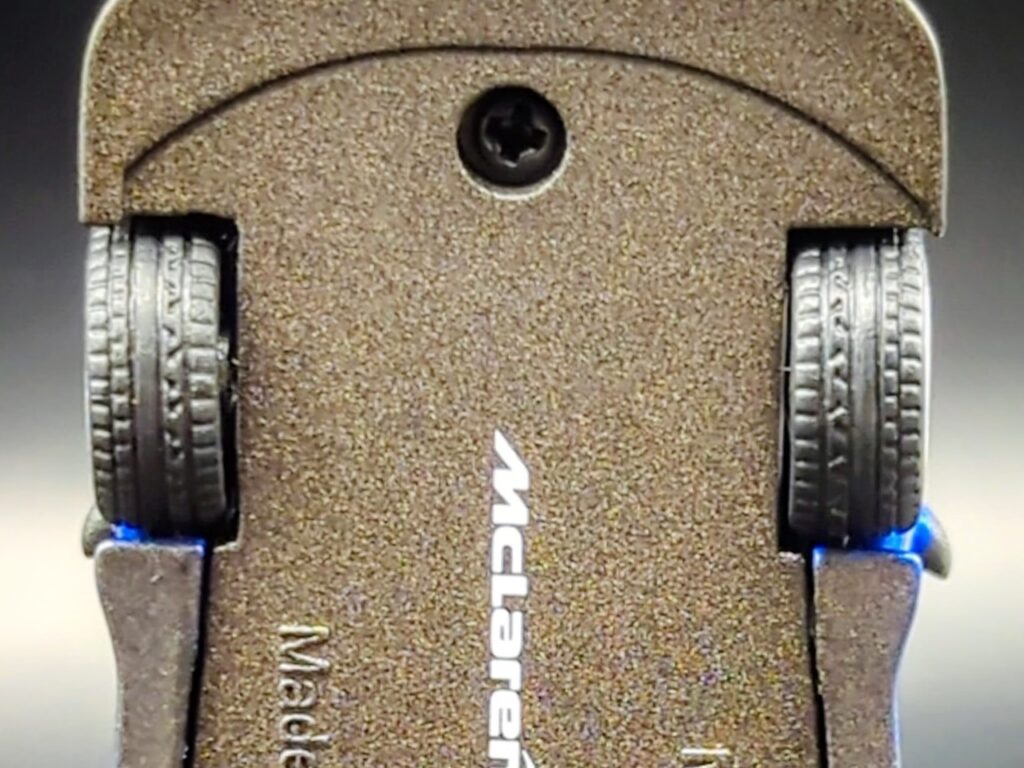
Flipping the models over provides another critical perspective on detail. MINI GT’s models boast a “fully reproduced” under-chassis with a “strong level of detail,” clearly showcasing elements like “the drivetrain… the axles… and then the exhaust”. This level of fidelity includes visible suspension components, exhaust routing, and sometimes even engine block details. This provides a stark contrast to Hot Wheels’ undercarriages, which are often simplified, “flat”, or feature only basic molded lines, primarily designed for smooth rolling on tracks rather than mechanical accuracy.
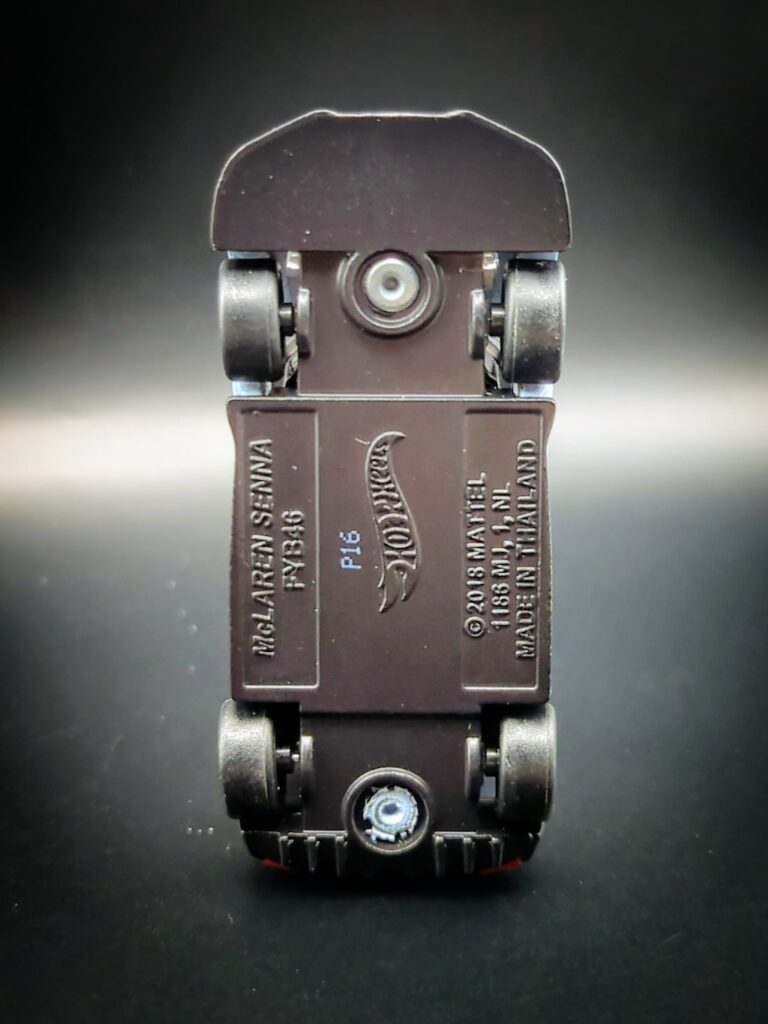
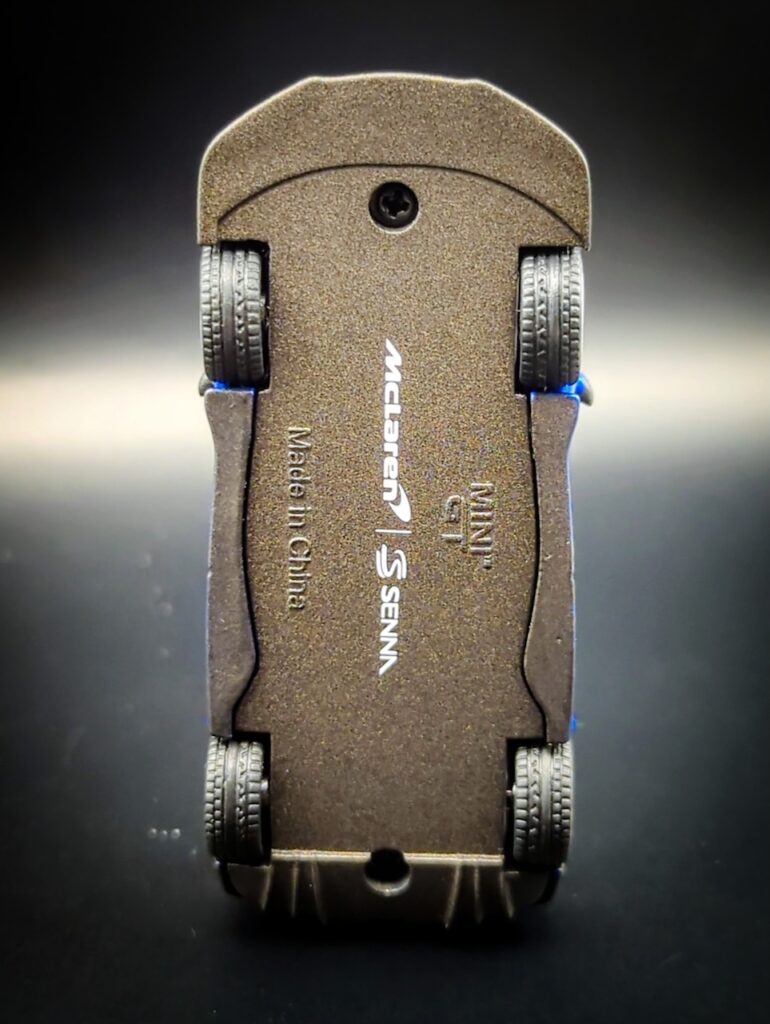
The significant disparity in interior and undercarriage detail directly correlates with the manufacturer’s target audience and production budget. MINI GT’s commitment to “uncompromising quality” extends to these less visible areas because serious collectors value the completeness and accuracy of the replica from all angles. Achieving this level of detail requires more complex and expensive molds, as well as potentially more intricate and time-consuming assembly steps. Hot Wheels, designed primarily for play, often simplifies these areas to reduce manufacturing cost and complexity, as these details are less critical for a child’s direct interaction with the toy. The “flat bottoms” on some Hot Wheels models are a functional design choice for optimizing track compatibility and speed, not merely an oversight in detailing. This difference profoundly impacts the “depth of immersion” for the collector. MINI GT offers a more complete and satisfying replica experience, even when viewed from unconventional angles or used in dioramas, appealing to those who appreciate engineering fidelity and comprehensive realism. Hot Wheels, while providing enjoyable play, offers a more superficial representation of the vehicle’s internal and mechanical complexities.
Wheels & Tires: Rolling Realism
The wheels are a critical element for any automotive replica, significantly influencing its overall appearance and realism. On the McLaren Senna models, the differences in wheel and tire execution are pronounced. MINI GT’s models feature “finely crafted wheels” and “detailed wheel designs”. These are expected to faithfully replicate the real Senna’s complex multi-spoke, aerodynamic, or racing-specific wheel designs, often with intricate brake caliper and rotor details visible behind the spokes. Crucially, MINI GT utilizes “soft rubber tires”, which not only enhance the visual realism with accurate tread patterns and sidewall markings but also provide a more authentic tactile experience and better grip for display.
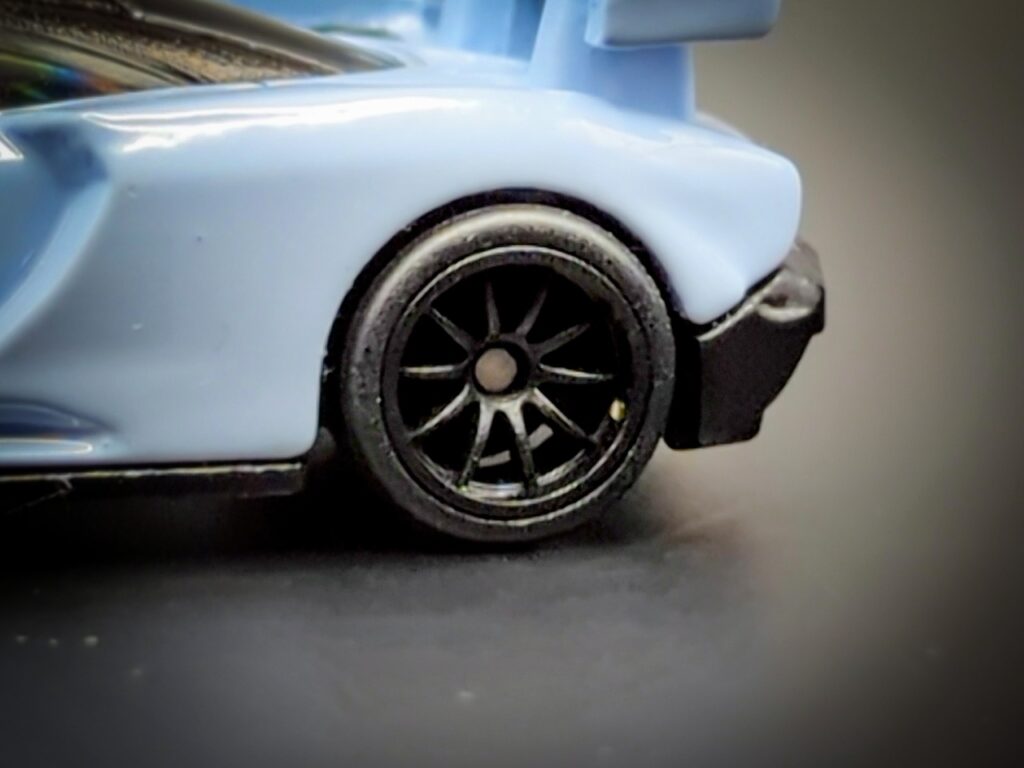
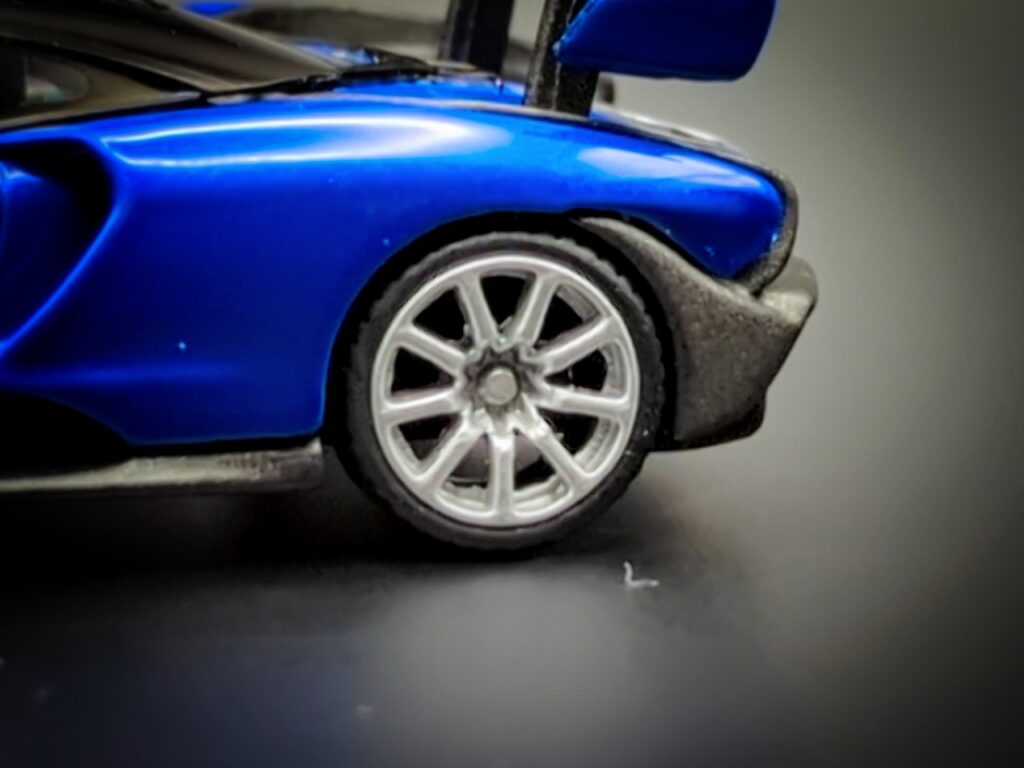
Hot Wheels, in contrast, typically uses hard plastic wheels and tires. While these are durable and optimized for high-speed rolling on tracks, they generally lack the fine detail of MINI GT’s offerings. The wheel designs are often simplified, and the “tires” are usually smooth, hard plastic, without realistic tread or sidewall details. The axles on Hot Wheels are simple metal rods, often integrated into a plastic base. While aftermarket adjustable axles exist for customizers to enhance wheel swaps, the factory components prioritize robustness and ease of assembly for mass production over intricate realism. This distinction in wheel and tire execution further underscores the differing priorities of the two brands, with MINI GT focusing on a high degree of visual and material fidelity, while Hot Wheels prioritizes play functionality and durability.

Conclusion
The comparative analysis of Hot Wheels and MINI GT 1:64 die-cast models, particularly illuminated through the lens of the McLaren Senna, reveals two distinct philosophies in miniature automotive replication. Hot Wheels, with its deep-rooted heritage as the world’s leading toy car manufacturer, prioritizes playability, broad accessibility, and mass production. Its manufacturing processes, material choices, and detailing reflect an emphasis on durability and cost-efficiency, resulting in a product that is widely available and highly engaging for children. The collectibility of Hot Wheels often stems from rarity, variations, and nostalgic appeal within its vast, mass-produced lines, rather than intrinsic hyper-realism.
MINI GT, on the other hand, represents a more recent evolution in the 1:64 die-cast market, born from a legacy of high-end model manufacturing. Its unwavering commitment to precision, authentic representation, and meticulous craftsmanship sets a new standard for the scale. Through the use of premium materials like full die-cast metal bodies and chassis, intricate multi-part construction, advanced painting techniques, and a significant reliance on hand assembly, MINI GT delivers models that are miniature works of art. Every aspect, from the finely sculpted exterior details and realistic lighting to the intricate interior and fully reproduced undercarriage, speaks to an uncompromising pursuit of fidelity. This dedication to accuracy extends to its consistent adherence to true 1:64 scale, making its models ideal for discerning collectors and diorama builders.
The evidence overwhelmingly supports the preference for MINI GT when quality and detail are the paramount considerations. While Hot Wheels continues to offer immense value in terms of play and entry-level collecting, MINI GT caters to a sophisticated collector base that demands superior accuracy, intricate detailing, and a premium feel. The McLaren Senna case study vividly illustrates these differences: where Hot Wheels provides a recognizable and robust toy, MINI GT delivers a scaled replica that withstands intense scrutiny, capturing the essence of the real vehicle with remarkable precision. Ultimately, both brands occupy vital, albeit different, niches within the die-cast world, but for the enthusiast seeking unparalleled realism in the 1:64 scale, MINI GT stands as the clear leader.
References
- Reddit: Give tips for making a 1:64 diorama
- Mattel Corporate: Hot Wheels Brand Portfolio
- Redline Diecast: History of MINI GT
- Target: Hot Wheels RC Nissan Z 1:64 Scale
- Target: Hot Wheels Batman Car Toy Vehicle 1:64 Scale
- History.com: Hot Wheels: The Most Collectible & Valuable Cars
- Model Cars Houston: 4 Reasons Why I Left Hot Wheels
- Mattel Creations: Hot Wheels Collectors
- Mattel Creations: Hot Wheels Collectors (Collections)
- Abt: Hot Wheels 1:64 Collection Single Car Pack
- Design Life-Cycle: Hot Wheels Life Cycle
- Tiny Town: How Are Toy Cars Made
- eBay: 1/64 Scale Hot Wheels Matchbox Real Riders Custom Wheel Swaps Axles
- eBay: Hot Wheels Custom Wheel Swaps 1/64 Rubber Tires
- YouTube: Hot Wheels Basic Interior Detailing
- Reddit: Bottom of Hot Wheels (Some are flat, some have…)
- Made-in-China.com: Mini Gt 1/64 BMW M3 Competition Touring Wagon Alloy Car Model
- Etsy: 1/64 Scale Axles for Wheel Swaps Hot Wheels
- YouTube: Hot Wheels Custom Headlights/Taillights
- Reddit: Best Way to Paint These Headlights/Tail Lights Hot Wheels
- YouTube: Adding Panel Lines To Hot Wheels
- Reddit: How Well Do Para64 and MiniGT-Ruf Cars Scale With Hot Wheels
- YouTube: Hot Wheels Lambo Huracan is 1/64 scale!
- MINI GT: About Us
- DHgate: MINI GT 1/64 Diecast Car Model
- eBay: MINI GT 1/64 Porsche 911 Targa 4S
- eBay: MINI GT 1/64 BMW M4 Competition
- TopSpeed Models: MINI GT News
- Made-in-China.com: Mini Gt 1/64 BMW M3 Competition Touring Wagon Alloy Car Model
- YouTube: MINI GT First Impression
- Awesome Diecast: MINI GT 1/64 Western Star 49X
- YouTube: MINI GT Accuracy Issue
- MINI GT Official Website
- eBay: MINI GT 1/64 Mercedes-Benz C63 AMG
- TopSpeed Models: MINI GT VeilSide Chrome Set